
Blog

If your dentist has mentioned ozone somewhere between a cleaning and a filling, you are not imagining things. More holistic-minded practices have started reaching for it, and patients are left googling the same question late at night: Is ozone therapy dental care actually legitimate, or is it just another wellness trend that happened to land in a dental office?
The honest answer lies somewhere in between, and it depends heavily on what you hope ozone will fix.
At Black Bear Dental in Hendersonville, Dr. Uzi Kamal built his practice around a biological approach to family and cosmetic dentistry, which is one reason ozone keeps coming up in patient conversations here. Understanding what the gas actually does, and where the evidence is strong versus still developing, makes that conversation far more useful than a quick sales pitch ever could.
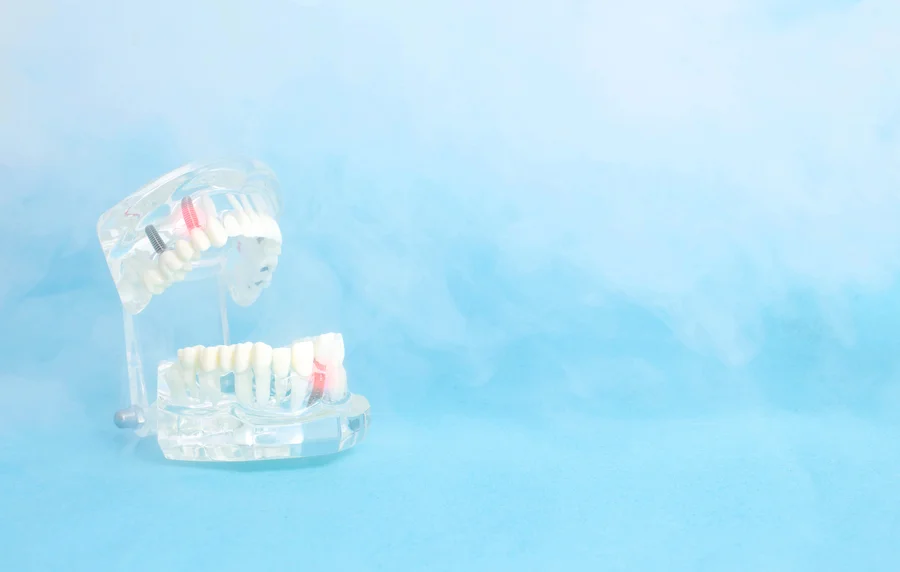
Ozone, or O3, is oxygen with an extra atom bonded to it, which makes it chemically unstable and aggressively reactive. That instability is exactly why dentists use it. When ozone contacts bacteria, viruses, or fungi, it tears through their cell walls almost immediately, without the lingering residue that comes with chemical disinfectants like chlorhexidine.
In a dental setting, it can be delivered as a gas, dissolved into water, or mixed into oils, depending on what part of the mouth needs attention.
Ozone shows up in a fairly specific set of situations rather than as a blanket replacement for standard treatment. Patients tend to encounter it during:
None of these uses is exotic. They map closely onto ordinary dental problems, just with a different disinfecting tool in the mix. For a closer look at how the treatment is actually delivered, our page on the treatments we use provides a walk-through of what a session at Black Bear Dental typically involves.
Peer-reviewed research paints a genuinely mixed but improving picture. A 2025 systematic review of clinical trials published in BMC Oral Health found that ozone, used alongside standard periodontal care, produced measurably better healing and less post-surgical discomfort than standard care alone, with similar benefits showing up after root canal treatment and implant surgery.
A separate literature review in the Dentistry Journal reached a more cautious conclusion: while lab studies look encouraging, the Cochrane Library has twice found insufficient evidence that ozone alone reverses or halts cavities, and the same review flagged that ozone can weaken the bond strength dentists rely on for fillings, meaning timing and technique matter as much as the gas itself.
The honest summary is that ozone therapy dental treatments are best understood as an adjunct, not a replacement for a drill, a root canal file, or a scalpel.
That nuance matters more at a practice like Black Bear Dental, where ozone is one piece of a larger biological philosophy rather than a standalone gimmick. Dr. Kamal is certified in the Safe Mercury Amalgam Removal Technique through the International Academy of Oral Medicine and Toxicology, and families who first come in asking about mercury-free fillings or safer amalgam removal often end up asking about ozone in the same visit, since both fit the same goal of reducing what the body has to process during treatment.
Patients recovering from oral surgery sometimes pair ozone with stem cell PRF and PRP, which uses a patient's own blood to speed up healing at the surgical site. Anyone weighing multiple holistic options at once can see how the full philosophy fits together on our holistic dentistry page.
Ozone is not automatically appropriate for every patient, and a responsible practice will screen for that before recommending it. Reviews of the safety literature note a short list of situations in which ozone should be avoided or used with extra caution, including pregnancy, uncontrolled hyperthyroidism, certain blood-clotting disorders, and a rare enzyme deficiency called G6PD deficiency.
Reported side effects are generally mild, things like temporary throat irritation or a brief cough if the gas is inhaled rather than kept contained to the treatment site, which is part of why proper equipment and a trained provider matter more than the ozone itself. None of this makes ozone therapy a risky dental treatment for the average patient. Still, it does explain why your dentist will ask about your medical history before using it, just as they would before any other procedure.
Whether ozone makes sense for you personally depends on a few practical factors rather than personal preference alone. Cost is one: ozone is typically billed as an add-on rather than a covered procedure, so it is worth asking for a specific number before your visit. The condition being treated is another, since ozone tends to help most with gum inflammation, minor decay, and post-surgical healing, and least with a cavity that has already progressed past the point where a filling or crown is unavoidable.
Your overall health history plays a role, too, given the contraindications above. New patients can review what a first appointment looks like, financing options, and general office policies on our patient information page before deciding how ozone might factor into a treatment plan. Our about page has more on Dr. Kamal's training if you want the fuller picture before you call.
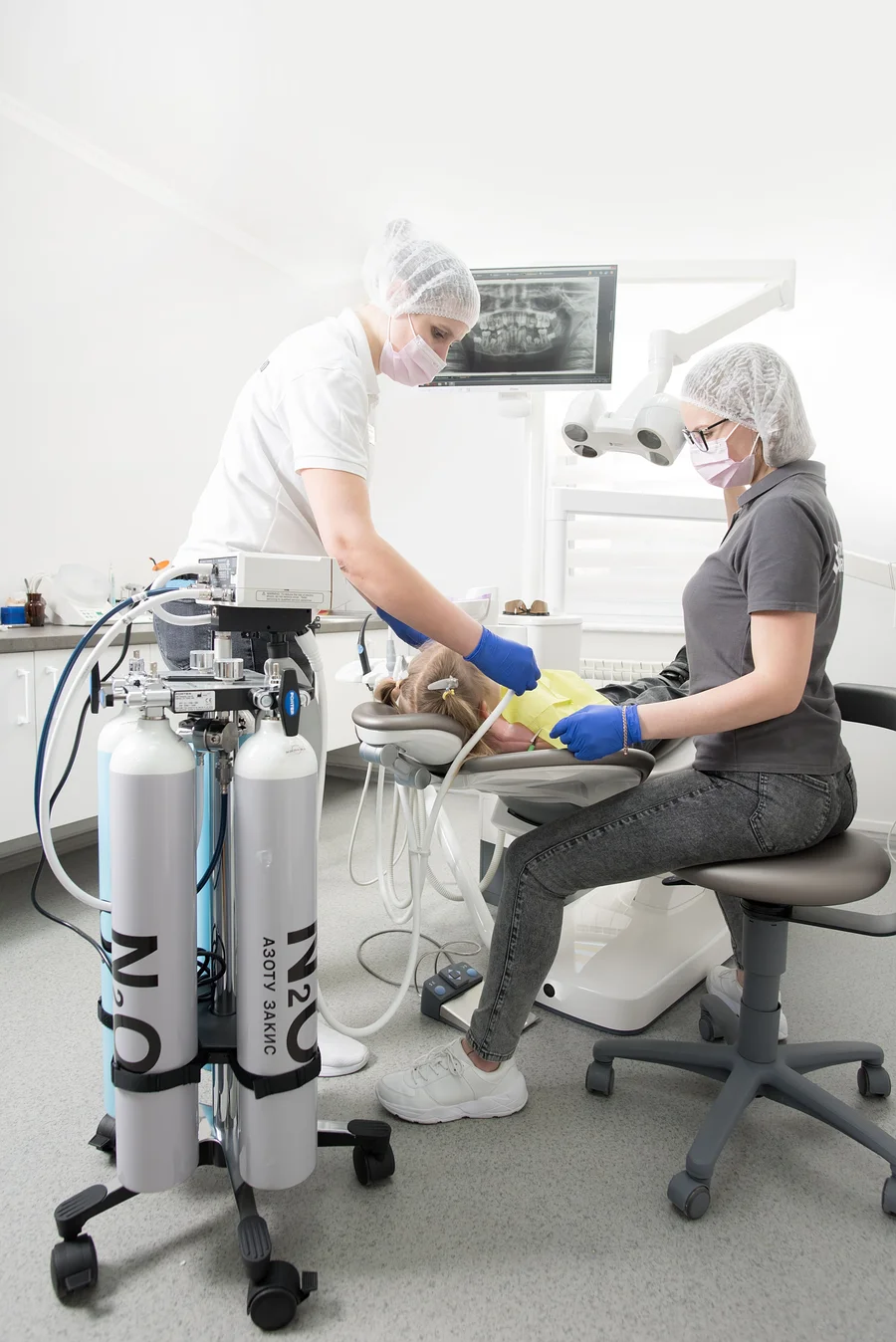
Most patients describe it as one of the more comfortable parts of a dental visit. Ozone gas or ozonated water is applied directly to the treatment area for a short period, and no drilling or injection is involved unless it is paired with another procedure.
A standalone ozone application usually takes somewhere between five and fifteen minutes. When combined with periodontal cleaning, a root canal, or implant surgery, it simply adds a few extra minutes to that appointment.
Most dental insurance plans classify ozone as an elective or adjunctive treatment rather than a covered procedure, so plan on paying out of pocket for that portion of your visit. Ask the front desk for an exact quote in advance so there are no surprises.
Not on its own. Ozone is effective at reducing bacteria and supporting healing. Still, it does not rebuild lost tooth structure or remove infected pulp tissue. Dentists use it alongside standard procedures, not instead of them.
If you have been curious whether ozone therapy dental treatment fits your own oral health goals, the best next step is a conversation rather than a guess. Black Bear Dental can walk through your specific situation, including which of Dr. Kamal's biological techniques might apply and what the visit would realistically cost.
Reach out through our contact page or call the Hendersonville office directly to get real answers before your next appointment.

