
Blog

Old metal fillings, commonly called amalgam or silver fillings, have been used in dentistry for many years. Some eventually need replacement because they become worn, cracked, loose, or develop decay around them. Other patients may ask about replacement for cosmetic or personal reasons.
If you are considering mercury filling removal, understanding the process can help you feel more prepared for your appointment. Your dentist can evaluate each filling and determine whether removal is appropriate for your individual dental needs.
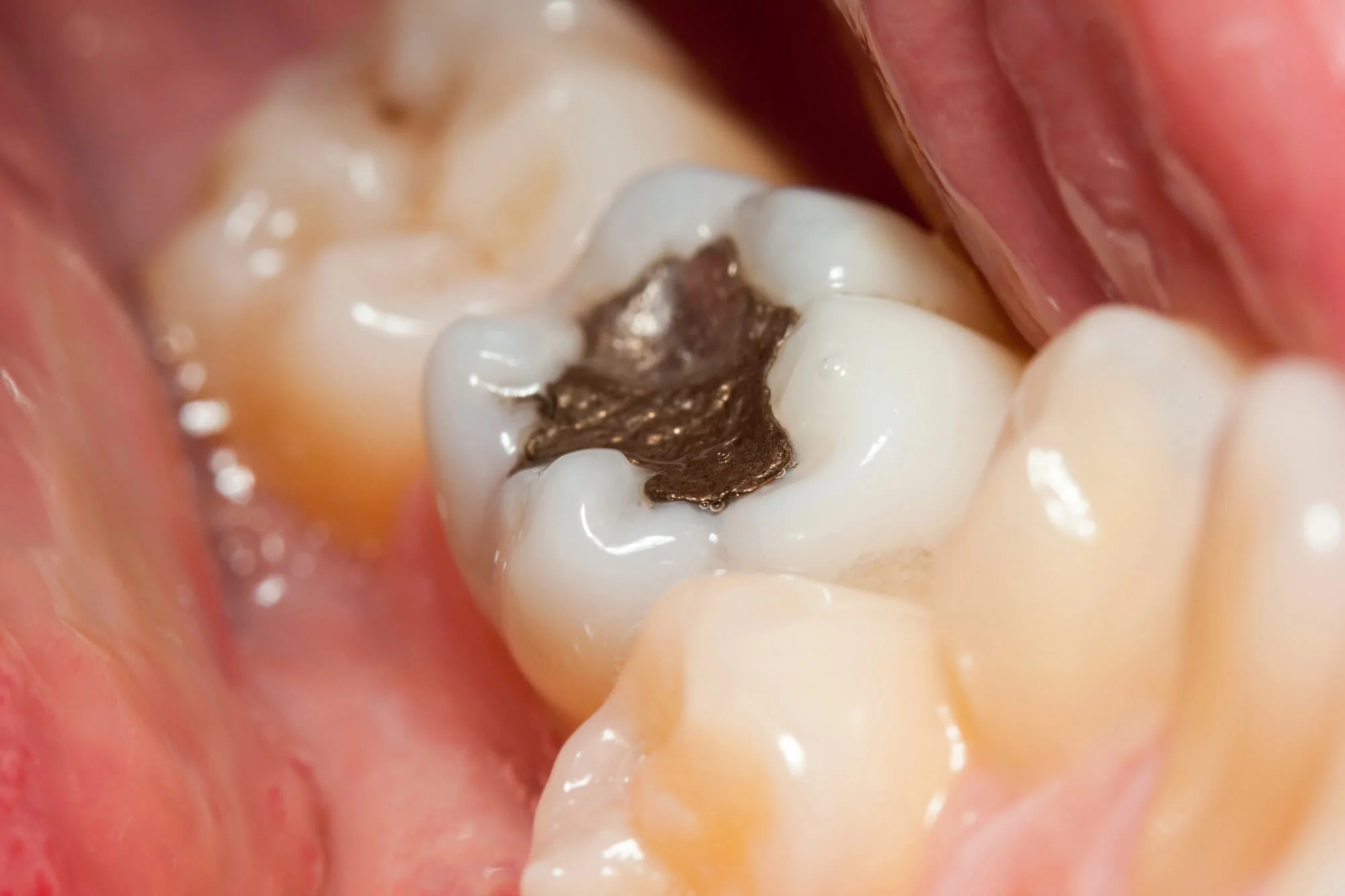
Removing an existing filling requires careful planning. The dentist must protect the surrounding tooth structure while removing the restoration and preparing the tooth for a suitable replacement.
Not every metal filling needs to be removed simply because it is old. Your dentist will examine the filling, surrounding tooth structure, and gums. Dental X-rays may also be recommended to look for decay or other problems that cannot be seen during a visual examination.
This evaluation helps determine whether replacement is necessary and which restorative material may work best afterward.
Before removing the filling, the dentist typically numbs the treatment area with local anesthesia. This helps keep you comfortable throughout the procedure.
Dentists may use protective measures and specialized equipment to control debris and reduce exposure to particles during removal. The specific approach can vary based on the size and location of the filling, your oral health, and the dentist's treatment protocol.
The dentist uses dental instruments to remove the existing amalgam material while preserving as much healthy tooth structure as possible. Suction and water may be used throughout the procedure to collect debris and keep the treatment area clean.
Once the filling has been removed, the dentist can inspect the underlying tooth more closely. Any decay or weakened tooth structure can then be addressed.
Removing an old filling leaves an area that needs to be restored. Tooth-colored composite fillings are one common option, especially when enough healthy tooth structure remains.
A larger or significantly weakened tooth may require an inlay, onlay, or dental crown instead. Your dentist can explain which restoration offers appropriate support based on the condition of your tooth.
Your mouth may remain numb for a few hours after treatment. Avoid chewing until normal sensation returns to reduce the chance of accidentally biting your cheek, tongue, or lip.
Mild sensitivity can occur after a filling is replaced. It often improves as the tooth adjusts. Follow your dentist's aftercare instructions and maintain your regular brushing and flossing routine. Contact your dental office if you experience persistent pain, significant sensitivity, swelling, or a bite that feels uneven.

Deciding whether to replace an old metal filling should start with a professional dental evaluation. Mercury filling removal may be recommended when an existing restoration is damaged, worn, or no longer adequately protecting the tooth. A personalized treatment plan can help preserve healthy tooth structure while restoring comfortable function and appearance.
If you have concerns about your old metal fillings, contact Black Bear Dental to schedule an evaluation and discuss your restoration options.

